

As we delve into the realm of Psychiatric Treatments and Medication Trends in 2025, we are met with a landscape that is constantly evolving and pushing boundaries in the field of mental health care. From innovative therapies to advancements in personalized medicine, the journey ahead promises to revolutionize how we approach psychiatric treatments.
Let's explore the current state of psychiatric treatments and medications, the exciting developments that have shaped the field, and the critical role that technology plays in driving these changes.
Psychiatric Treatments and Medication Trends in 2025
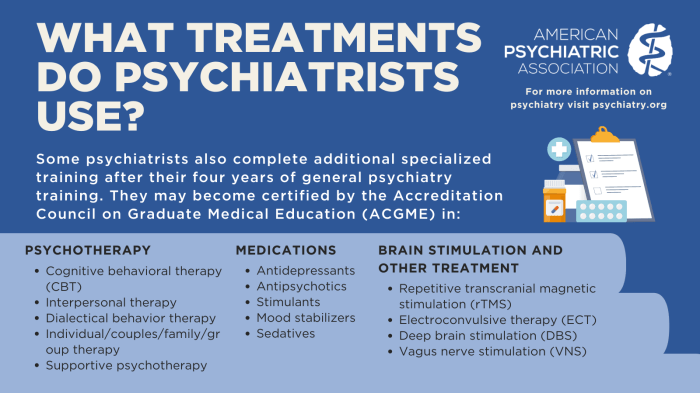
Psychiatric treatments and medication have seen significant advancements in recent years, revolutionizing the way mental health conditions are managed. These developments have been driven by a combination of scientific research, technological innovation, and a shift towards personalized medicine.
Current Landscape of Psychiatric Treatments and Medication
The current landscape of psychiatric treatments and medication involves a variety of approaches, including psychotherapy, medication, and other forms of intervention. The use of psychotropic drugs, such as antidepressants and antipsychotics, is common in treating various mental health disorders.
Advancements in Psychiatric Treatments
- Development of new classes of psychiatric medications with improved efficacy and fewer side effects.
- Integration of non-pharmacological interventions like cognitive-behavioral therapy and mindfulness-based practices.
- Exploration of novel treatment modalities, such as transcranial magnetic stimulation and deep brain stimulation.
Impact of Technology on Treatment Development
Technology has played a crucial role in the advancement of psychiatric treatments by enabling precision medicine approaches and innovative treatment delivery methods. Telepsychiatry, digital health platforms, and artificial intelligence tools have enhanced access to care and personalized treatment options.
Role of Personalized Medicine in Psychiatric Treatment
- Customized treatment plans based on genetic, neurobiological, and environmental factors for better outcomes.
- Identification of biomarkers to predict individual responses to medications and tailor interventions accordingly.
- Promotion of patient-centered care by considering unique characteristics and preferences in treatment decisions.
Emerging Therapies and Medications
As we look towards the future of psychiatric treatments and medication trends in 2025, it is crucial to explore the upcoming therapies that are expected to revolutionize psychiatric treatment. These novel medications have the potential to bring about significant benefits, but also come with their own set of risks that need to be carefully considered.
Novel Psychiatric Medications
One of the most exciting developments in psychiatric treatment is the introduction of novel medications that target specific neurotransmitters or receptors in the brain. These medications are designed to be more precise and targeted in their approach, potentially leading to fewer side effects and better treatment outcomes for patients.
- Blockquote: "These novel medications have the potential to revolutionize the way we treat mental health conditions, offering new hope for those who have not responded well to traditional treatments."
- Comparing traditional psychiatric medications with these new innovative options, it is clear that the field is advancing towards a more personalized and effective approach to treatment.
Role of Alternative Therapies
In addition to these new medications, alternative therapies are also playing a significant role in conjunction with psychiatric medication. Therapies such as mindfulness, yoga, and acupuncture are being increasingly recognized for their ability to complement traditional treatments and improve overall mental well-being.
- It is important for healthcare providers to consider the holistic approach to mental health care, incorporating both traditional medication and alternative therapies for a comprehensive treatment plan.
- While the benefits of these alternative therapies are promising, it is essential to continue research and clinical studies to understand their full potential and effectiveness in psychiatric treatment.
Mental Health Accessibility and Affordability
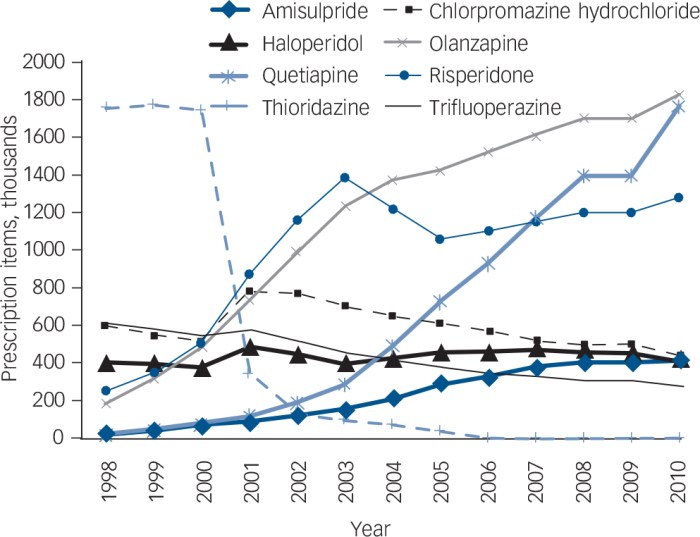
Accessing mental health care and affordable treatments is crucial for individuals struggling with psychiatric conditions. However, many challenges exist in making these services available to all who need them.
Challenges in Accessibility and Affordability
One of the major obstacles to mental health accessibility is the shortage of mental health professionals, particularly in rural or underserved areas. This scarcity limits the availability of psychiatric treatments and medications to those who live far from urban centers.
Additionally, the high cost of mental health services and medications can be a significant barrier for individuals with limited financial resources.
Potential Solutions
- Increasing funding for mental health services in underserved areas to attract more professionals and improve access to care.
- Implementing telemedicine platforms to provide remote psychiatric consultations and therapy sessions, enhancing accessibility for those unable to travel to in-person appointments.
- Developing sliding scale payment options or financial assistance programs to make mental health treatments more affordable for low-income individuals.
Impact of Insurance Coverage
Insurance coverage plays a critical role in determining the availability of psychiatric medications to individuals. Limited coverage or high copayments can prevent patients from accessing necessary medications, leading to inadequate treatment of their mental health conditions.
Role of Telemedicine
Telemedicine has emerged as a valuable tool in increasing access to psychiatric treatments, particularly for individuals in remote or underserved areas. Through virtual appointments and online therapy sessions, telemedicine provides a convenient and effective way for patients to connect with mental health professionals without the need for in-person visits.
Regulatory Landscape and Ethical Considerations
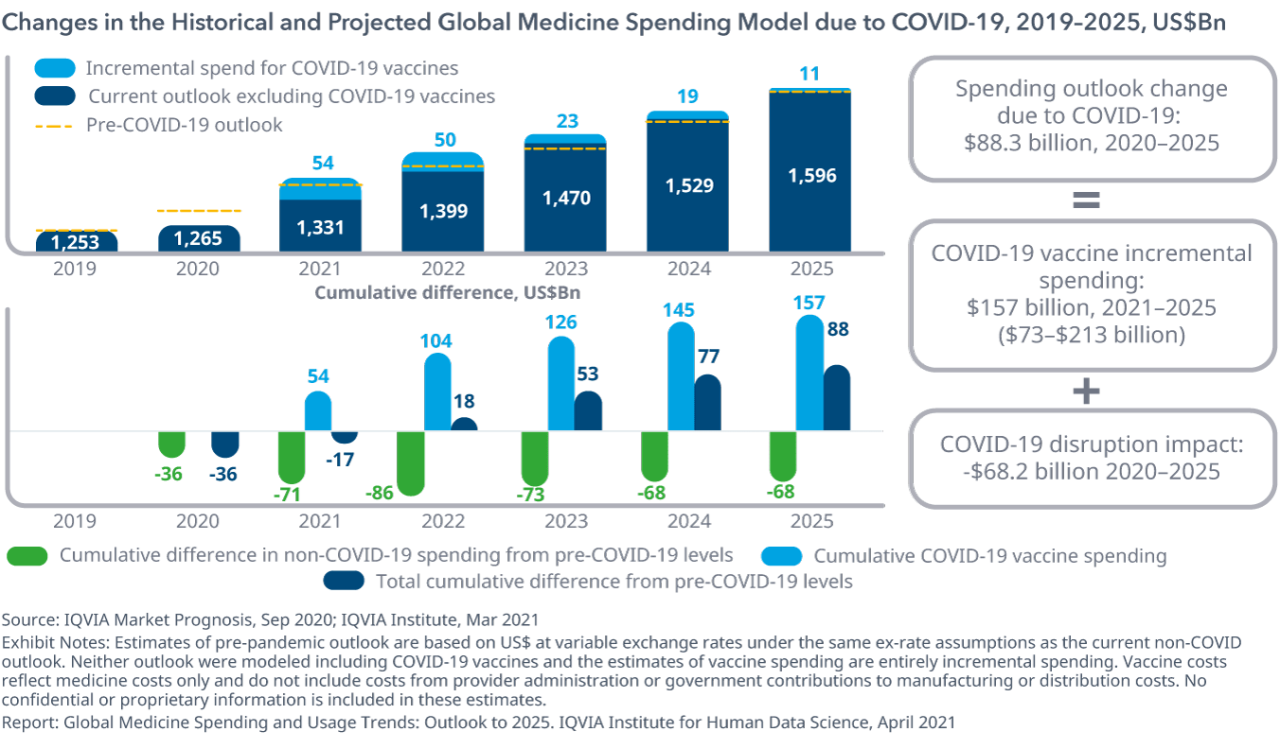
In the realm of psychiatric treatments and medication trends, the regulatory landscape plays a crucial role in ensuring the safety and efficacy of psychotropic drugs. Ethical considerations also come into play when addressing the use of these medications in treatment, highlighting the importance of patient autonomy and well-being.
Current Regulatory Framework for Approving Psychiatric Medications
The approval process for psychiatric medications involves rigorous evaluation by regulatory bodies such as the Food and Drug Administration (FDA) in the United States. These agencies assess the benefits and risks of a drug based on clinical trials and scientific evidence before granting approval for its use in treating mental health conditions.
Ethical Considerations Surrounding the Use of Psychotropic Drugs
Ethical dilemmas may arise when prescribing psychotropic drugs, as healthcare providers must balance the potential benefits of medication with the risks of adverse effects. It is essential to consider factors such as patient autonomy, beneficence, and non-maleficence when making treatment decisions involving psychotropic drugs.
Importance of Informed Consent in Psychiatric Medication Management
Informed consent is a cornerstone of ethical psychiatric practice, ensuring that patients are fully aware of the risks, benefits, and alternatives to medication treatment. Healthcare providers must engage in thorough discussions with patients to obtain their informed consent before initiating or changing psychiatric medications.
Influence of Pharmaceutical Companies on Psychiatric Treatment Trends
Pharmaceutical companies play a significant role in shaping psychiatric treatment trends through drug development, marketing, and research funding. It is crucial to monitor potential conflicts of interest and ensure that treatment decisions are based on unbiased scientific evidence rather than commercial interests.
Last Point
In conclusion, the future of psychiatric treatments and medication trends in 2025 holds immense promise for improved mental health care. With a focus on accessibility, innovation, and ethical considerations, we are poised to witness a transformation in how we address mental health challenges in the years to come.
FAQ Overview
What are some emerging therapies in psychiatric treatments for 2025?
Some emerging therapies include virtual reality exposure therapy, transcranial magnetic stimulation, and psychedelic-assisted therapy, which show promising results in treating various mental health conditions.
How can personalized medicine impact psychiatric treatment plans?
Personalized medicine can tailor treatment approaches based on an individual's genetic makeup, lifestyle, and environmental factors, leading to more effective and targeted interventions for mental health disorders.
What role do insurance coverage play in accessing psychiatric medications?
Insurance coverage can significantly impact the affordability and accessibility of psychiatric medications, with many individuals facing barriers in obtaining necessary treatments due to coverage limitations.
Is telemedicine an effective way to increase access to psychiatric treatments?
Telemedicine can improve access to psychiatric care, especially for underserved populations or those in remote areas, by providing convenient and remote consultations with mental health professionals.

