

In the ever-changing landscape of mental health care, the integration of digital therapy tools has revolutionized how psychiatry is practiced. This article delves into the transformative impact of technology on psychiatric treatment, exploring the benefits, challenges, and effectiveness of these innovative tools.
Overview of Psychiatry Evolution
Before the introduction of digital therapy tools, traditional methods in psychiatry primarily involved face-to-face therapy sessions, medication management, and group therapy. These methods required patients to physically visit a mental health professional, which could be challenging for some individuals due to various barriers such as stigma, accessibility, and cost.Digital therapy tools have revolutionized the field of psychiatry by providing more accessible and convenient ways for individuals to receive mental health support.
These tools leverage technology to offer therapy sessions, mental health assessments, mindfulness exercises, and medication reminders through online platforms and mobile applications. They have made it easier for patients to connect with mental health professionals, access resources, and track their progress from the comfort of their own homes.
Impact of Digital Therapy Tools
- Increased Accessibility: Digital therapy tools have made mental health services more accessible to individuals who may have difficulty accessing traditional in-person therapy.
- Convenience: Patients can schedule therapy sessions at their convenience and access resources anytime, anywhere, reducing barriers to seeking help.
- Personalization: These tools often offer personalized treatment plans based on individual needs and preferences, enhancing the effectiveness of therapy.
Popular Digital Therapy Tools
- Talkspace:A platform that connects users with licensed therapists for online therapy sessions via messaging, video, or voice calls.
- BetterHelp:An online counseling platform that matches individuals with licensed therapists for therapy sessions through messaging, chat, phone, or video.
- Calm:A meditation and relaxation app that offers guided mindfulness exercises, sleep stories, and breathing techniques to promote mental well-being.
Benefits of Digital Therapy Tools
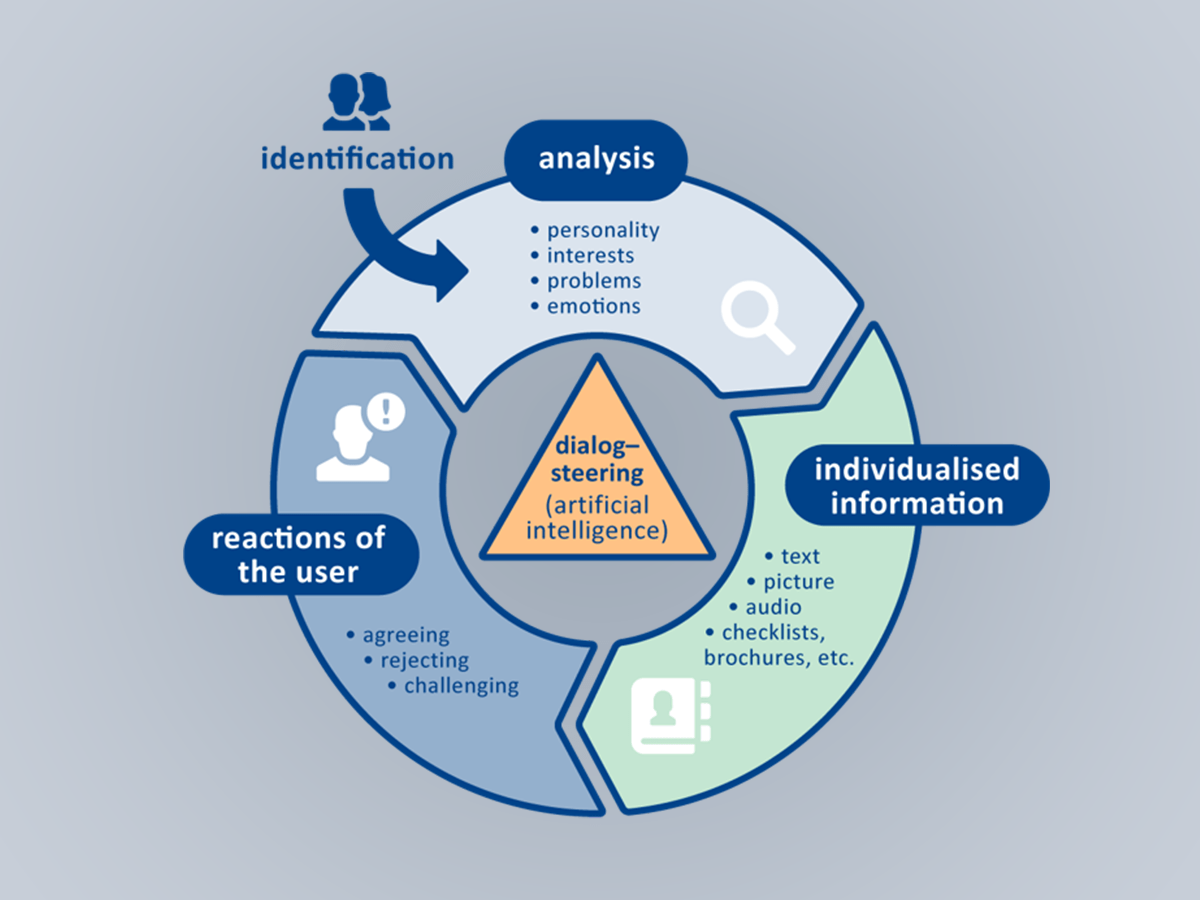
Digital therapy tools have revolutionized psychiatric treatment by offering numerous advantages over traditional methods.
Improved Accessibility to Mental Health Services
- Increased Reach: Digital therapy tools break down geographical barriers, allowing individuals in remote areas to access mental health services.
- 24/7 Availability: With online platforms and mobile apps, support is available round the clock, providing immediate assistance during crises.
- Reduced Stigma: Some individuals may feel more comfortable seeking help through digital tools, reducing the stigma associated with traditional face-to-face therapy.
Effectiveness of Digital Therapy Tools
- Personalized Treatment: Digital tools can tailor interventions to individual needs, offering personalized therapy plans for better outcomes.
- Real-time Monitoring: Therapists can track progress and make timely adjustments to treatment plans, leading to more effective results.
- Cost-effective: Digital therapy tools can be more affordable than in-person therapy, making mental health services accessible to a broader population.
Challenges in Implementing Digital Therapy Tools
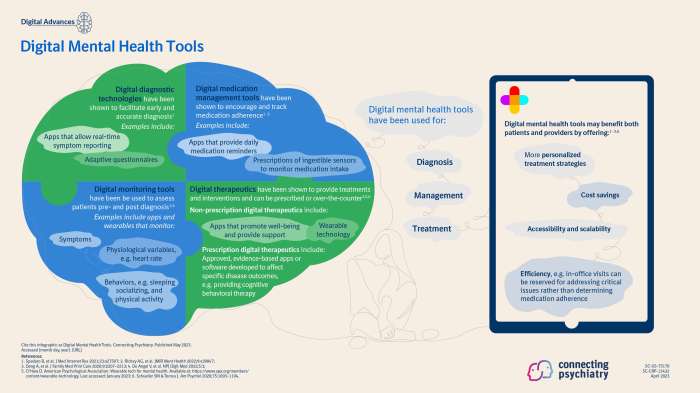
As psychiatry evolves with the integration of digital therapy tools, there are several challenges that psychiatrists face in incorporating these tools into their practice.
Barriers Faced by Psychiatrists
- Lack of familiarity: Many psychiatrists may not have prior experience or training in utilizing digital therapy tools, leading to resistance in adoption.
- Regulatory concerns: The complex regulatory landscape surrounding the use of digital tools in mental health treatment can create barriers in implementation.
- Financial constraints: Cost of implementing and maintaining digital therapy tools can be a significant barrier for smaller practices or individual practitioners.
Data Privacy and Security Concerns
- Confidentiality risks: There are concerns about the security of sensitive patient data when using digital therapy tools, leading to potential breaches of confidentiality.
- Compliance issues: Ensuring compliance with data privacy regulations such as HIPAA while using digital tools can be challenging for mental health professionals.
- Data breaches: The possibility of data breaches or cyberattacks on digital therapy platforms poses a significant risk to patient information security.
Training Requirements for Mental Health Professionals
- Specialized training: Mental health professionals need specific training to effectively utilize digital therapy tools and maximize their benefits in patient care.
- Continuous education: Ongoing education and upskilling are essential to keep up with the rapidly evolving landscape of digital mental health solutions.
- Clinical integration: Integrating the use of digital therapy tools into existing clinical workflows requires tailored training programs for seamless adoption.
Effectiveness of Digital Therapy Tools

Digital therapy tools have been gaining recognition for their effectiveness in treating mental health conditions, offering a new approach compared to traditional therapy methods.
Comparison of Efficacy
Research studies have shown that digital therapy tools can be as effective as traditional therapy methods in addressing various mental health issues. In some cases, digital tools have even shown higher efficacy rates due to their accessibility and convenience.
Research Studies Supporting Effectiveness
- One study published in the Journal of Medical Internet Research found that digital therapy tools were effective in reducing symptoms of depression and anxiety among participants.
- Another study in the Journal of Consulting and Clinical Psychology demonstrated that online cognitive-behavioral therapy was just as effective as in-person therapy for treating PTSD.
Patient Satisfaction and Outcomes
Patients using digital therapy tools have reported high levels of satisfaction with the convenience and flexibility offered by these platforms. Additionally, outcomes such as symptom reduction and improved overall mental well-being have been observed in individuals utilizing digital therapy tools.
Last Word
As we navigate through the complexities of modern mental health care, it is evident that digital therapy tools have become indispensable in the field of psychiatry. Embracing these advancements opens new doors to enhanced patient care and outcomes, marking a significant evolution in the way mental health services are delivered.
FAQ Summary
How do digital therapy tools impact traditional psychiatric methods?
Digital therapy tools complement traditional psychiatric methods by providing additional resources and avenues for patient care, enhancing overall treatment outcomes.
What are the main advantages of using digital therapy tools in psychiatric treatment?
Some benefits include increased accessibility to mental health services, personalized treatment options, and the ability to track progress more effectively.
Are there concerns about data privacy and security when using digital therapy tools?
Yes, data privacy and security are valid concerns when implementing digital therapy tools, requiring strict protocols to safeguard patient information.
What kind of training is necessary for mental health professionals to utilize digital therapy tools effectively?
Professionals need training to understand the functionalities of digital tools, ensure proper usage, and maintain ethical standards in delivering mental health care.

