

Embarking on the journey of Crohn’s Disease Treatments: Medication vs Lifestyle Changes, readers are invited into a world where medical intervention confronts lifestyle adjustments in a quest for symptom relief and improved quality of life.
Delving deeper into the intricacies of managing Crohn’s disease, this exploration aims to shed light on the contrasting yet complementary approaches of medication and lifestyle modifications.
Medication Treatments
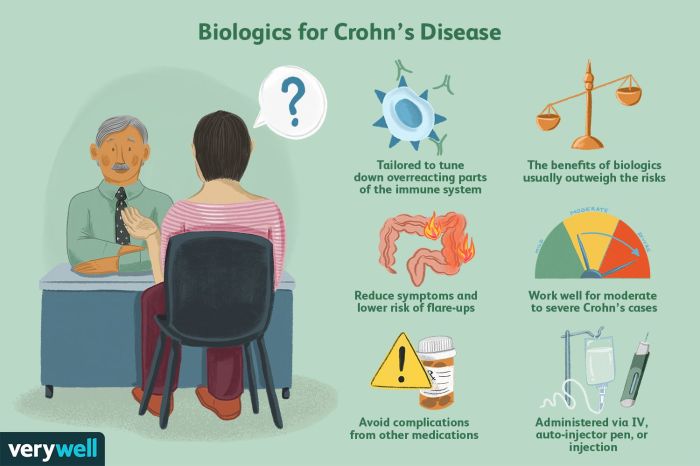
Medications play a crucial role in managing Crohn's disease symptoms and controlling inflammation in the digestive tract. Here we will explore the common types of medications used, their effectiveness, potential side effects, and how they are typically administered.
Types of Medications
- Corticosteroids: These medications, such as prednisone, are often used to reduce inflammation during flare-ups.
- Immunomodulators: Drugs like azathioprine or methotrexate work by suppressing the immune system to reduce inflammation.
- Biologics: These medications, like infliximab or adalimumab, target specific proteins in the body to reduce inflammation.
Effectiveness in Managing Symptoms
While medications can help control Crohn's disease symptoms, their effectiveness can vary from person to person. Some individuals may respond better to certain medications than others, and it may take time to find the right treatment approach.
Potential Side Effects
- Common side effects of Crohn's disease medications may include nausea, diarrhea, headaches, or fatigue.
- Some medications can also weaken the immune system, leading to an increased risk of infections.
Administration of Medications
Medications for Crohn's disease can be administered in various ways, including oral tablets, injections, or intravenous infusions. The frequency and method of administration depend on the specific medication and individual treatment plan.
Lifestyle Changes
When it comes to managing Crohn’s disease, lifestyle changes play a crucial role in alleviating symptoms and improving overall quality of life. These modifications can make a significant difference in how individuals cope with the challenges posed by this condition.
Importance of Diet
Diet plays a key role in managing Crohn’s disease as certain foods can trigger symptoms and exacerbate inflammation in the digestive tract. It is important for individuals with Crohn’s disease to follow a well-balanced diet that is gentle on the digestive system and rich in nutrients to support overall health.
- Avoiding trigger foods such as dairy, spicy foods, high-fiber foods, and caffeine can help reduce symptoms.
- Eating smaller, more frequent meals can ease the burden on the digestive system and prevent flare-ups.
- Staying hydrated by drinking plenty of water is essential for maintaining optimal digestive function.
Role of Exercise
Regular physical activity can have numerous benefits for individuals with Crohn’s disease, including improving overall health, reducing inflammation, and boosting mood. Exercise can help manage stress, promote better sleep, and enhance overall well-being.
- Engaging in low-impact exercises such as walking, yoga, or swimming can be beneficial for those with Crohn’s disease.
- Consulting with a healthcare provider or fitness expert to create a personalized exercise plan is recommended to ensure safety and effectiveness.
- Consistency is key when it comes to incorporating exercise into a daily routine to experience long-term benefits.
Stress Management Techniques
Stress can exacerbate symptoms of Crohn’s disease, making it essential to incorporate stress management techniques into daily life to promote overall well-being and symptom relief.
- Practicing relaxation techniques such as deep breathing, meditation, or mindfulness can help reduce stress levels and improve coping mechanisms.
- Engaging in activities that promote relaxation and enjoyment, such as hobbies, spending time in nature, or socializing with loved ones, can have a positive impact on mental health.
- Seeking support from a therapist, counselor, or support group can provide valuable tools for managing stress and building resilience in the face of chronic illness.
Final Review
In conclusion, the discussion surrounding Crohn’s Disease Treatments: Medication vs Lifestyle Changes underscores the significance of a multifaceted approach in addressing this complex condition. By combining pharmaceutical treatments with lifestyle adjustments, individuals can strive towards better symptom management and overall well-being.
Expert Answers
How important is diet in managing Crohn’s disease?
Diet plays a crucial role in managing Crohn’s disease as certain foods can trigger symptoms. It is essential to work with a healthcare provider to create a personalized diet plan.
What are some stress management techniques beneficial for those with Crohn’s disease?
Stress management techniques such as mindfulness, yoga, and deep breathing exercises can help individuals with Crohn’s disease reduce stress levels and improve overall well-being.

