

Kicking off with Comparing Trulicity vs Mounjaro: Which Is Better for Weight Loss?, this opening paragraph is designed to captivate and engage the readers, providing an interesting overview of the topic. Trulicity and Mounjaro are two medications commonly used for weight loss, each with their own unique characteristics.
This comparison aims to shed light on which one might be more effective in helping individuals achieve their weight loss goals.
Introduction
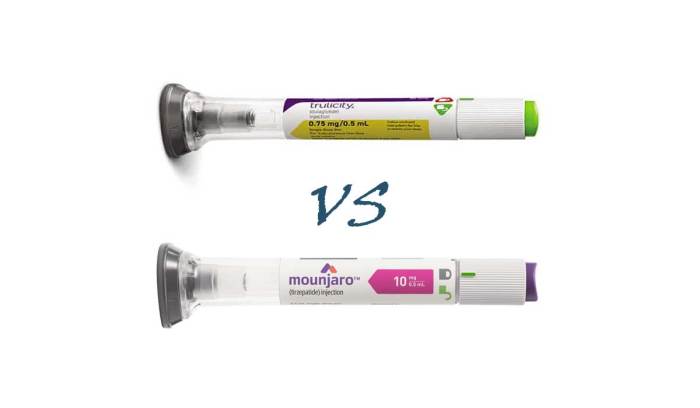
Trulicity and Mounjaro are two medications commonly used in weight loss management. Trulicity is a prescription drug that helps regulate blood sugar levels and promotes weight loss, while Mounjaro is a natural supplement that claims to aid in weight loss through its unique blend of ingredients.
It is important to compare these two options to determine which may be more effective for individuals looking to lose weight.
Trulicity
Trulicity is a medication typically prescribed for individuals with type 2 diabetes to help control blood sugar levels. It belongs to a class of drugs called GLP-1 receptor agonists, which work by stimulating insulin production and reducing appetite. Many individuals also experience weight loss as a side effect of taking Trulicity.
Mounjaro
Mounjaro, on the other hand, is a natural supplement that claims to promote weight loss through its blend of herbal ingredients. These ingredients are said to boost metabolism, suppress appetite, and increase energy levels to support a weight loss journey.
However, the effectiveness of Mounjaro in aiding weight loss may vary from person to person.
Active Ingredients
Trulicity and Mounjaro are both weight loss medications that work through different active ingredients. Let's explore the active ingredients in each and compare their mechanisms of action.
Trulicity
Trulicity contains the active ingredient Dulaglutide, which is a glucagon-like peptide-1 (GLP-1) receptor agonist. Dulaglutide works by mimicking the action of GLP-1, a hormone that regulates blood sugar levels and appetite. By activating GLP-1 receptors, Dulaglutide can help control blood sugar, reduce appetite, and promote weight loss.
Mounjaro
Mounjaro, on the other hand, contains the active ingredient Liraglutide, also a GLP-1 receptor agonist. Liraglutide works similarly to Dulaglutide by activating GLP-1 receptors to regulate blood sugar levels and reduce appetite. This mechanism of action can lead to weight loss in individuals struggling with obesity.Both Dulaglutide in Trulicity and Liraglutide in Mounjaro work by targeting GLP-1 receptors to control blood sugar levels, reduce appetite, and ultimately promote weight loss in individuals with obesity.
Each medication may have slightly different effects and dosing regimens, so it's essential to consult with a healthcare provider to determine which option may be better suited for individual needs.
Effectiveness
Trulicity and Mounjaro are both commonly prescribed medications for weight loss. Let's delve into the clinical studies and research to analyze their effectiveness.
Trulicity for Weight Loss
Trulicity, also known as dulaglutide, is a medication primarily used for managing type 2 diabetes but has also been shown to aid in weight loss. Clinical studies have demonstrated that Trulicity can lead to significant weight reduction in individuals with obesity or overweight conditions.
In a study published in the New England Journal of Medicine, it was found that patients taking Trulicity experienced greater weight loss compared to those on a placebo. The medication works by regulating blood sugar levels and promoting feelings of fullness, contributing to weight loss efforts.
Mounjaro for Weight Loss
Mounjaro, on the other hand, is a newer medication in the market that is gaining popularity for its weight loss benefits. Research on Mounjaro's effectiveness in weight management is still ongoing, but initial studies have shown promising results. The active ingredient in Mounjaro, montelukast, is believed to influence metabolic processes that can aid in weight loss.
While more extensive studies are needed to establish its effectiveness conclusively, early data suggests that Mounjaro may be a viable option for individuals looking to lose weight.
Comparing Results
When comparing the results of studies on Trulicity and Mounjaro for weight loss, it is evident that both medications have shown efficacy in helping individuals shed excess pounds. Trulicity, with its established track record in managing diabetes and promoting weight loss, is a reliable option for those with comorbid conditions.
On the other hand, Mounjaro's potential in weight management presents an exciting alternative for individuals seeking new approaches to weight loss. Ultimately, the choice between Trulicity and Mounjaro will depend on individual preferences, medical history, and the guidance of healthcare professionals.
Side Effects
When considering weight loss medications like Trulicity and Mounjaro, it is important to be aware of the potential side effects that may arise. Here, we will discuss the common side effects associated with both medications and compare their severity and frequency.
Trulicity Side Effects
- Nausea
- Diarrhea
- Vomiting
- Abdominal pain
- Decreased appetite
Mounjaro Side Effects
- Headache
- Dizziness
- Fatigue
- Insomnia
- Dry mouth
Overall, the side effects of Trulicity tend to focus more on gastrointestinal symptoms like nausea, diarrhea, and vomiting, while Mounjaro's side effects are more centered around neurological symptoms like headache and dizziness. In terms of severity, both medications can cause discomfort, but the frequency and intensity of side effects may vary from person to person.
It is crucial to consult with a healthcare provider to discuss any concerns or experiences with side effects while taking these medications for weight loss.
Cost and Accessibility
When it comes to choosing between Trulicity and Mounjaro for weight loss, the cost and accessibility of these medications play a significant role in decision-making. Let's delve into the details of the cost and accessibility of both medications.
Cost of Trulicity
Trulicity, a popular weight loss medication, can be quite expensive for many individuals. The average cost of Trulicity can range from $600 to $800 per month, depending on the dosage and location. This high cost may make it unaffordable for some people, especially if insurance does not cover it.
Cost of Mounjaro
On the other hand, Mounjaro is generally more affordable compared to Trulicity. The average cost of Mounjaro can range from $300 to $500 per month, making it a more budget-friendly option for individuals looking to manage their weight effectively.
Comparison of Accessibility and Affordability
In terms of accessibility, Trulicity is widely available in pharmacies and through healthcare providers, but its high cost may limit access for some individuals. On the other hand, Mounjaro may be more accessible and affordable for those looking for a cost-effective weight loss solution.
It is essential to consider both the cost and accessibility of these medications when deciding which one is the better option for you.
Closure
In conclusion, the comparison between Trulicity and Mounjaro for weight loss reveals important insights about their effectiveness, side effects, cost, and accessibility. By understanding the differences between these two medications, individuals can make more informed decisions about which option may be better suited to their needs.
Detailed FAQs
Is Trulicity or Mounjaro more effective for weight loss?
Studies have shown that both Trulicity and Mounjaro can be effective for weight loss, but individual results may vary. It's important to consult with a healthcare provider to determine which option is best for you.
What are the common side effects of Trulicity and Mounjaro?
Common side effects of Trulicity include nausea, diarrhea, and abdominal pain. Mounjaro may cause side effects such as headache, dizziness, and dry mouth. It's crucial to discuss any concerns with your doctor.
Are Trulicity and Mounjaro affordable?
Trulicity tends to be more expensive compared to Mounjaro, but affordability can vary based on insurance coverage and discounts. It's advisable to explore all options for cost savings.

