

Delving into the realm of private health insurance and the possibility of switching opens doors to a world of benefits and considerations. Let's explore the intricacies of this topic together.
Detailing the nuances of private health insurance and the factors influencing a potential switch will shed light on this crucial aspect of healthcare.
Benefits of Private Health Insurance

Private health insurance comes with a range of benefits that can provide individuals with peace of mind and access to high-quality healthcare services. Let's delve into the advantages of having private health insurance, compare it to public health insurance, and explore the flexibility and additional services often included in private health insurance plans.
Advantages of Private Health Insurance
- Shorter Wait Times: Private health insurance typically offers shorter wait times for consultations, tests, and procedures compared to public health services.
- Choice of Specialist: With private health insurance, individuals have the freedom to choose their preferred specialist or healthcare provider for treatment.
- Access to Private Hospitals: Private health insurance often provides access to private hospitals, which may offer more personalized care and amenities.
- Additional Cover: Private health insurance plans usually include coverage for services not covered by public health insurance, such as dental, optical, and alternative therapies.
Flexibility and Additional Services
Private health insurance plans are known for their flexibility and the additional services they offer to policyholders.
| Flexibility | Additional Services |
|---|---|
| Choice of Coverage Levels | Wellness Programs and Preventive Care |
| Portability | Access to Telehealth Services |
| Ability to Customize Plans | 24/7 Customer Support |
Considerations Before Switching
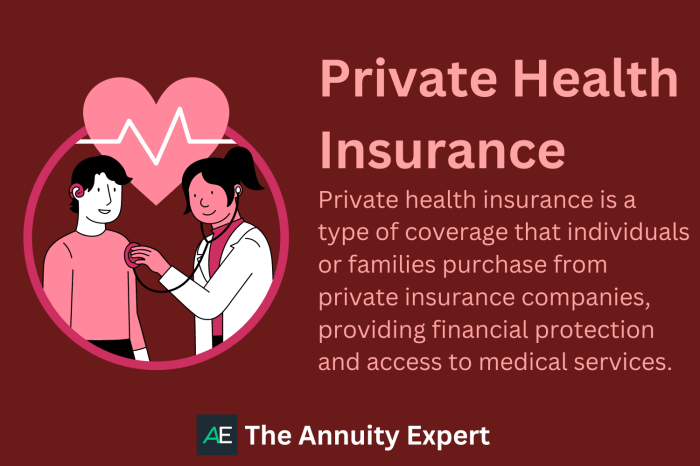
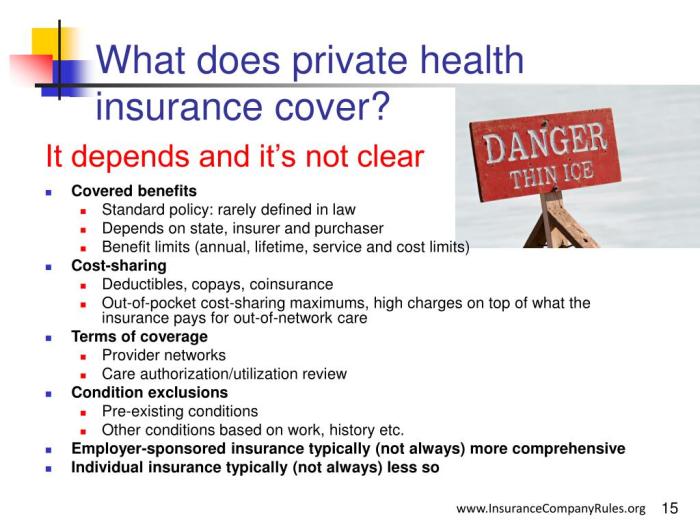
Before making the decision to switch to a new private health insurance plan, there are several important factors to consider. It's crucial to review coverage details, network providers, and premiums to ensure the new plan meets your healthcare needs and financial capabilities.
Review Coverage Details
- Check what medical services and treatments are covered by the new plan.
- Assess whether the coverage aligns with your current health needs and potential future requirements.
- Look into any limitations or exclusions that may affect your healthcare options.
Network Providers
- Verify if your preferred healthcare providers are included in the new plan's network.
- Consider the accessibility and quality of care provided by the network providers.
- Research new providers if switching means changing from your current healthcare network.
Premiums
- Compare the premium costs of the new plan with your current coverage.
- Calculate the total annual expenses, including premiums, deductibles, and co-pays.
- Ensure that the premium increase for the new plan is reasonable based on the enhanced coverage or benefits.
Assessing the Right Decision
- Consider your overall health status and healthcare needs to determine if the new plan offers better coverage.
- Consult with a healthcare insurance expert or advisor to evaluate the potential benefits and drawbacks of switching.
- Weigh the financial implications and potential out-of-pocket costs associated with the new plan.
How to Switch Private Health Insurance Plans
Switching private health insurance plans can seem daunting, but with the right approach, it can be a smooth process. Here we Artikel the steps involved in switching plans, offer tips on comparing different options effectively, and discuss the process of canceling an existing plan and enrolling in a new one.
Comparing Different Plans Effectively
When considering switching private health insurance plans, it's crucial to compare different options effectively to ensure you're getting the coverage you need at a price you can afford. Here are some tips to help you make a well-informed decision:
- Review Your Current Coverage: Take note of what your current plan offers in terms of coverage, deductibles, copayments, and premiums.
- Identify Your Needs: Determine what specific healthcare needs you have and what services are essential for you and your family.
- Compare Costs: Look at the premium costs, deductibles, copayments, and out-of-pocket maximums of different plans to see which one aligns best with your budget.
- Check Network Providers: Ensure that the new plan includes your preferred healthcare providers in its network to avoid unexpected out-of-network costs.
- Consider Additional Benefits: Evaluate if the new plan offers any additional benefits that are important to you, such as dental or vision coverage.
Switching Process Overview
Switching private health insurance plans involves a few key steps to ensure a seamless transition:
- Research and Compare Plans: Research different plans offered by various insurance providers and compare them based on your needs and budget.
- Contact Your Current Provider: Inform your current insurance provider of your decision to switch and inquire about the cancellation process.
- Enroll in a New Plan: Once you've selected a new plan, complete the enrollment process, making sure to provide all necessary information accurately.
- Cancel Your Current Plan: Follow the cancellation instructions provided by your current insurer, ensuring that you understand any potential penalties or restrictions.
- Review New Plan Details: Thoroughly review the details of your new plan to ensure you understand the coverage, costs, and any additional benefits it offers.
Ultimate Conclusion
In conclusion, navigating the landscape of private health insurance and the decision to switch can significantly impact one's healthcare journey. The information provided serves as a guide to making informed choices and securing the best possible coverage.
FAQ Insights
What are the key features of private health insurance?
Private health insurance typically offers a range of coverage options, access to private healthcare facilities, and additional services not available in public health insurance.
How does private health insurance differ from public health insurance?
Private health insurance provides more flexibility, quicker access to specialists, and often covers services not included in public health insurance.
What factors should one consider before switching to a new private health insurance plan?
Before switching, it's essential to review coverage details, network providers, premiums, and consider any waiting periods or exclusions.

