

Exploring the realm of Biologic vs Non-Biologic Treatments for Crohn’s Disease, this introduction sets the stage for an in-depth analysis of the topic. From understanding the basics to delving into the complexities, this article aims to provide valuable insights for those seeking clarity on treatment options.
As we navigate through the nuances of these treatments, readers will gain a thorough understanding of the differences, effectiveness, costs, and patient experiences associated with Biologic and Non-Biologic approaches for managing Crohn’s Disease.
Biologic Treatments for Crohn’s Disease
Biologic treatments for Crohn’s disease are a type of therapy that targets specific proteins in the body's immune system to reduce inflammation. These treatments are different from traditional medications as they are derived from living organisms like bacteria or yeast, rather than chemical compounds.
Most Common Biologic Treatments
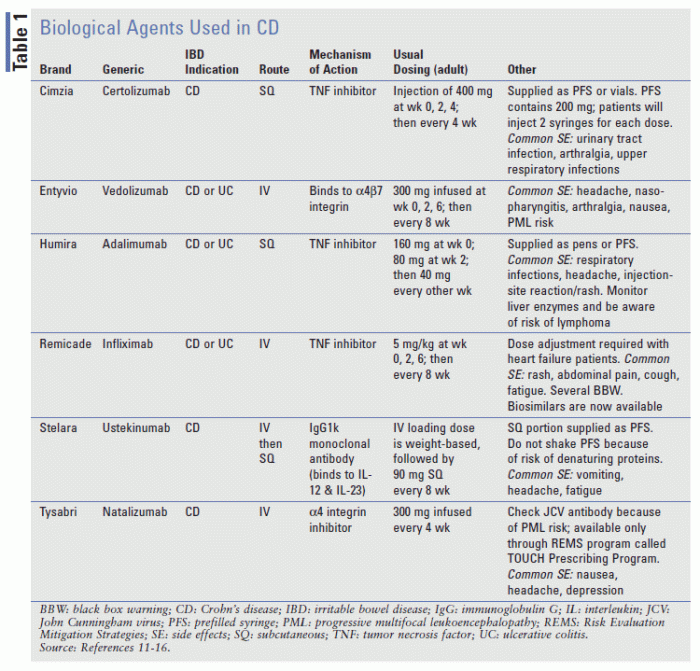
- Adalimumab (Humira): This biologic targets tumor necrosis factor (TNF) and is one of the most commonly used treatments for Crohn’s disease.
- Infliximab (Remicade): Another TNF inhibitor, Infliximab is administered intravenously and can be effective for inducing and maintaining remission in Crohn’s patients.
- Vedolizumab (Entyvio): This biologic works by blocking α4β7 integrin, which helps reduce inflammation in the gut specifically.
Mechanism of Action
Biologic treatments work by targeting specific molecules involved in the inflammatory response of Crohn’s disease. By blocking these molecules, biologics help reduce inflammation in the digestive tract, leading to symptom relief and potential disease remission.
Effectiveness Comparison
- Biologic treatments are often more effective than traditional non-biologic options like corticosteroids or immunomodulators in achieving remission and reducing symptoms in Crohn’s disease.
- Studies have shown that biologics can lead to higher rates of mucosal healing and long-term disease control compared to non-biologic treatments.
- However, biologics may come with a higher risk of side effects and are usually more expensive than non-biologic options.
Non-Biologic Treatments for Crohn’s Disease
Crohn’s disease, a chronic inflammatory condition of the digestive tract, can be managed through various treatment options, including non-biologic medications.Non-biologic treatments for Crohn’s disease encompass a range of medications that target inflammation and symptoms associated with the condition. These medications are often prescribed when biologic treatments are not suitable or effective for a patient.
Types of Non-Biologic Medications
Non-biologic medications commonly prescribed for Crohn’s disease include:
- Aminosalicylates: These medications help reduce inflammation in the lining of the intestines.
- Corticosteroids: Used to quickly reduce inflammation and control symptoms during flare-ups.
- Immunomodulators: These medications suppress the immune system to reduce inflammation and prevent disease progression.
Side Effects of Non-Biologic Treatments
Non-biologic treatments for Crohn’s disease may have various side effects, which can differ from those associated with biologic options. Some common side effects include:
- Increased risk of infections
- Weight gain
- Bone density loss
- Immune system suppression
Challenges of Non-Biologic Treatments
While non-biologic treatments can be effective in managing Crohn’s disease, they also present challenges and limitations. These may include:
- Less targeted approach compared to biologics
- Potential for long-term side effects
- Need for regular monitoring and dose adjustments
- May not be as effective for severe cases of Crohn’s disease
Cost Comparison between Biologic and Non-Biologic Treatments
When considering treatment options for Crohn's disease, one crucial factor to evaluate is the cost disparity between biologic and non-biologic treatments. The financial implications of choosing one type of treatment over the other can significantly impact a patient's healthcare journey.
Cost Differences
- Biologic treatments tend to be more expensive than non-biologic treatments. The production process and specialized nature of biologics contribute to their higher cost.
- Non-biologic treatments, such as corticosteroids and immunomodulators, are generally more affordable compared to biologics. These conventional treatments have been around longer and are available in generic forms, making them more cost-effective options.
Insurance Coverage and Accessibility
- Insurance coverage plays a significant role in determining the accessibility of both biologic and non-biologic treatments. Some insurance plans may cover biologics more comprehensively, while others may require higher out-of-pocket costs.
- Non-biologic treatments are often more widely covered by insurance companies due to their lower cost. Patients may find it easier to access non-biologic options without facing substantial financial barriers.
Affordability and Long-Term Financial Implications
- Choosing between biologic and non-biologic treatments involves considering not only the immediate costs but also the long-term financial implications. Biologic treatments may require ongoing maintenance doses, leading to higher cumulative expenses over time.
- Non-biologic treatments, while initially more affordable, may have limitations in terms of efficacy and long-term management. Patients must weigh the upfront cost savings against potential challenges in disease control and progression.
Patient Experience and Preferences
Patients undergoing treatment for Crohn’s disease often have unique experiences and preferences when it comes to choosing between biologic and non-biologic treatments. Factors such as treatment efficacy, side effects, and overall quality of life considerations play a crucial role in their decision-making process.
Patient Testimonials on Biologic Treatments
- One patient shared that after starting biologic treatment, their symptoms significantly improved, allowing them to lead a more normal and active life.
- Another patient mentioned experiencing fewer flare-ups and reduced inflammation in their colon, leading to a better quality of life overall.
Factors Influencing Treatment Choice
- Effectiveness: Many patients prioritize the effectiveness of the treatment in managing their symptoms and preventing disease progression.
- Side Effects: The potential side effects of both biologic and non-biologic treatments can influence a patient's decision, as they weigh the benefits against the risks.
- Quality of Life: Patients often consider how the treatment impacts their daily life, including factors such as convenience, frequency of administration, and impact on activities.
Patient Preferences and Considerations
- Some patients prioritize treatment efficacy above all else, willing to tolerate potential side effects if it means better disease control.
- Others may prioritize minimizing side effects to maintain quality of life, even if it means sacrificing some level of efficacy in the treatment.
Conclusion
In conclusion, the discourse on Biologic vs Non-Biologic Treatments for Crohn’s Disease sheds light on the multifaceted nature of treatment options available. By weighing the pros and cons, patients can make informed decisions tailored to their unique needs and preferences.
Q&A
Is it possible to switch from non-biologic to biologic treatments during the course of Crohn’s Disease treatment?
Yes, some patients may transition from non-biologic to biologic treatments based on their response to initial therapies and disease progression.
Are biologic treatments more effective than non-biologic treatments in managing Crohn’s Disease?
Biologic treatments are often considered more effective, especially in cases where traditional medications have not provided sufficient relief or disease control.
What are the long-term financial implications of choosing biologic treatments over non-biologic options?
While biologic treatments may be more expensive upfront, their efficacy in managing Crohn’s Disease could potentially lead to reduced healthcare costs in the long run by minimizing disease complications.

